

Alumni Spotlight: Alisha Hammett
Amanda Spidel | Department of Urban and Regional Planning Mar 16, 2026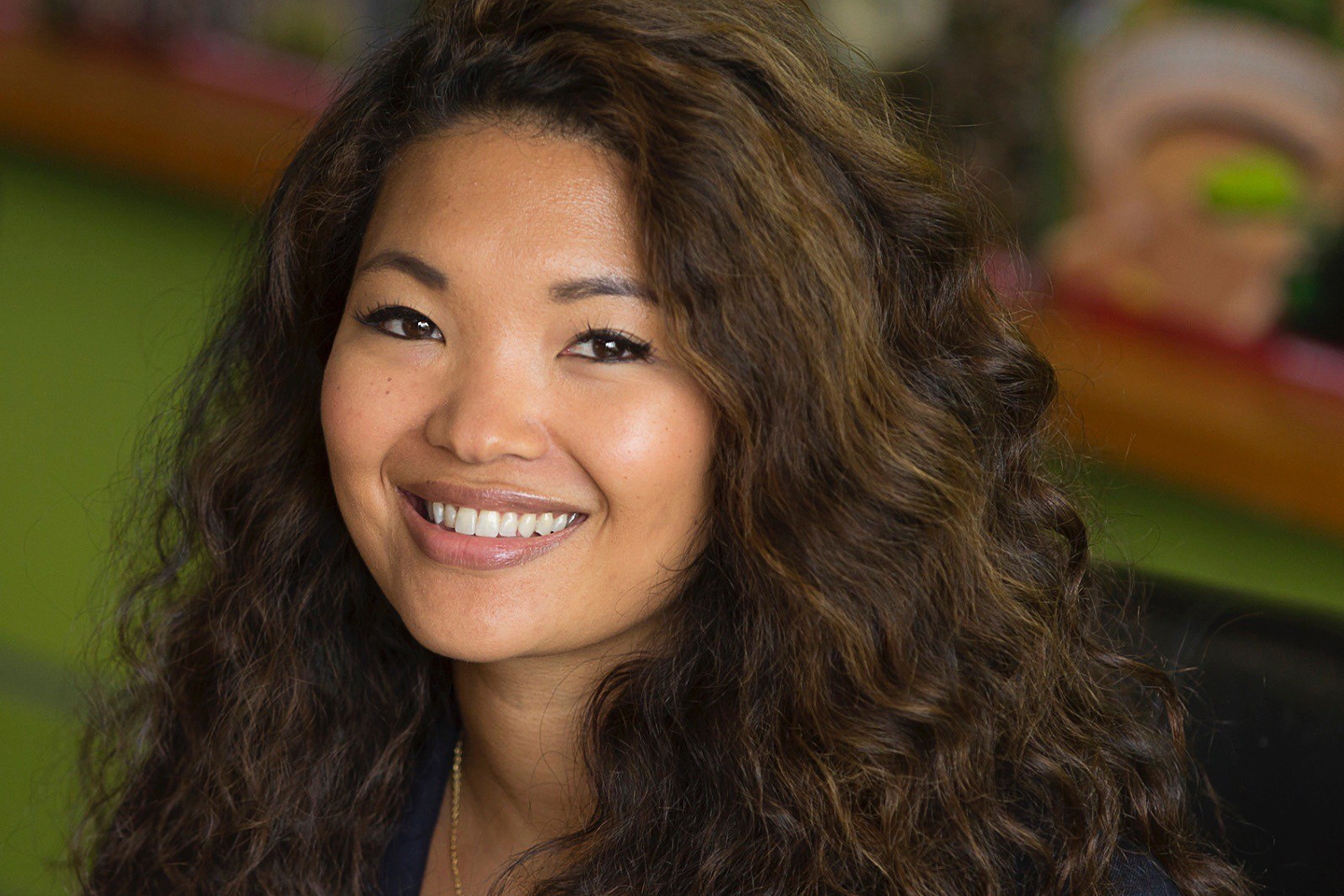
Alisha Kwon Hammett is owner and principal at Zipper Line Strategies and teaches Urban Design, Economics, and Equity in the Master of Urban Design program at CU Denver. Her company, named after the “zipper line” ski technique, takes land entitlements and urban planning projects from concept to completion. Alisha is passionate about inclusive spaces and community engagement and has worked on many planning and design projects throughout her 20-year career in planning, design, and equitable community development. Alisha currently serves on the City of Denver’s Planning Board.
Amanda Spidel, a current Master of Urban and Regional Planning (MURP) student, sat down with MURP alum, Alisha Hammett, to learn more about Alisha’s professional experiences and the impact her education at CU Denver has had on her career.
Q: What initially motivated you to pursue a master’s degree in urban and regional planning?
I didn’t start out in architecture or planning at all; my undergrad was in political science and African & African American studies. I thought I’d go into journalism or law. But during college, my godfather, an architect, would drive me to campus and talk about his work in Africa. Those conversations opened my eyes to how “urban planning and urban design and architecture could actually affect social change.” That idea, that design could “lift all boats,” ultimately pushed me toward planning.
Q: How did your graduate program shape your understanding of what planning looks like in practice?
Graduate school helped me merge my professional experience with a deeper theoretical foundation. I worked full‑time while studying, so everything I learned in class immediately connected to real projects. I also learned to advocate for myself academically, “Can I waive this class? Can I take this class?”, which shaped how I approach planning work today.
Q: Were there any courses, professors, or projects that had a lasting impact on your career direction?
Peter Park had a huge influence. I went from being his student to being his client when I managed the Denver Airport master plan. His mentorship helped me grow into a confident project manager.
Q: Which skills have proven most valuable in your day-to-day work?
Project management, entitlements and permitting, coordinating multidisciplinary teams, communicating with communities, especially in emotionally charged situations, and staying organized under pressure. I learned early on to be “a sponge” and absorb everything from reading drawings to writing specs to managing consultants.
Q: Are there any tools or technical competencies you wish you had focused on more during school?
My path was unconventional, so I learned most technical skills on the job, including drawing review, RFIs [requests for information], programming, specs, and building science. In hindsight, more formal training in design tools or GIS [geographic information systems] might have helped, but my hands‑on experience filled those gaps.
Q: How did your program prepare you for interdisciplinary collaboration?
My entire career has been interdisciplinary, from architects to civil engineers to airport authorities. Grad school reinforced the importance of collaboration, but my biggest lessons came from practice, especially at Gensler, where “the principals had no doors… it felt really flat as a firm structure.” That culture shaped how I collaborate today.
Q: Can you walk me through your career path since graduating?
Early in my career, I had internships and roles at Oz Architecture and Fentress Architects. I also worked in Aviation as well as mixed‑use work with Gensler in both LA and Dallas. Eventually, I returned to Colorado for grad school, while working in design firms. After graduate school, I was hired by the City of Denver as project manager for the airport landside master plan. I joined Norris Design, where I grew rapidly and discovered my strength in entitlements. I then shifted to affordable housing work with Shopworks Architecture. Eventually, I launched my own consulting practice with support from former colleagues. It’s been a journey of constant learning and reinvention.
Q: What surprised you most about working in the planning field compared to your expectations as a student?
The emotional intensity of public engagement, especially around affordable housing. I “got good at being yelled at” and learned that fear, not malice, drives most community resistance. Planning is as much about empathy and communication as it is about design.
Q: What types of projects do you work on now, and what role do you typically play?
I primarily work on affordable and supportive housing projects, usually hired directly by developers. My role focuses on entitlements, permitting, navigating code, and shepherding projects through approval processes. I also collaborate with architects like Shopworks.
Q: What do you see as the biggest challenges facing urban and regional planners today?
Community fear and misinformation around housing, balancing local concerns with urgent housing needs, navigating political pressures, and ensuring equity in development decisions. Planners must be fearless advocates, while remaining community‑centered.
Q: How do you balance community needs, political pressures, and technical constraints?
By building relationships and making planning accessible. My job is to “design a process that would best welcome future residents into that community.” That means listening deeply, communicating clearly, and staying grounded in values.
Q: Can you share a project you’re particularly proud of?
Indy Flats in Lakewood had an incredibly difficult entitlement process. On opening day, I watched community members move in, and seeing children move into stable housing after living in cars was transformative. I just thought to myself, “All this that I’ve been going through… was worth it.” That moment reshaped my career purpose.
Q: What advice would you give students to choose a planning specialization or career path?
Follow the work that aligns with your values. Be a sponge, learn everything you can. Advocate for yourself academically and professionally, and don’t be afraid to pivot; careers evolve. It's okay to be “cringe.” At the end of the day, in this field, it is best to be your authentic self.